
Neuro-ophthalmology is a specialized field that combines neurology and ophthalmology, focusing on eye conditions related to the nervous system. These conditions may affect vision, eye movement, or the function of the pupil. Since the brain processes images captured by the eye, any issue with the optic nerve—responsible for transmitting visual information—can lead to vision problems.
At Kiran Eye Hospital, we offer comprehensive diagnosis and treatment for neuro-ophthalmic conditions to help you maintain your vision and eye health. Our expert team is dedicated to addressing conditions that impact your eyes and nervous system.
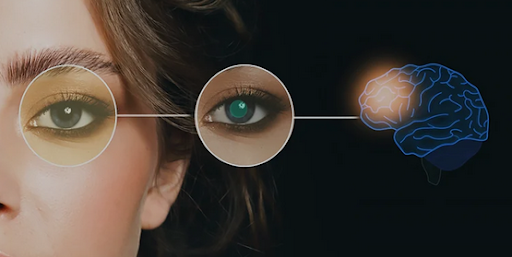
Optic nerve disorders can arise from various underlying causes. Tumors that compress the optic nerve, reduced blood flow to the eye (ischemia), infections, inflammation, or trauma can all lead to damage or dysfunction of the optic nerve. Additionally, increased pressure within the eye or brain can further contribute to these conditions, resulting in impaired vision and other symptoms.
The symptoms of optic nerve disorders can vary depending on the specific condition. Common signs include decreased vision, unequal pupils, double vision, and sensitivity to light (photophobia). Patients may also experience headaches or eye movement issues. If left untreated, these symptoms can lead to more severe vision problems, making early diagnosis and intervention crucial.

The treatment for neuro-ophthalmic disorders varies based on the specific condition. Kiran Eye Hospital provides individualized care, and our team will work with you to determine the best treatment plan. Treatment options may include medications, laser therapy, or surgical procedures, depending on the diagnosis.
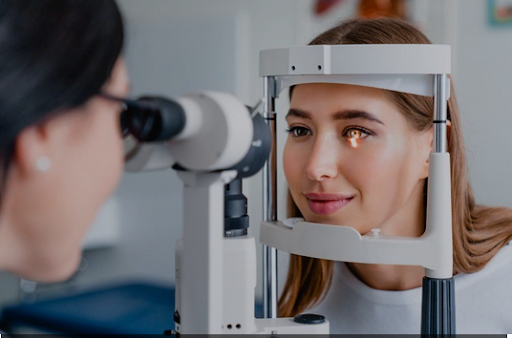
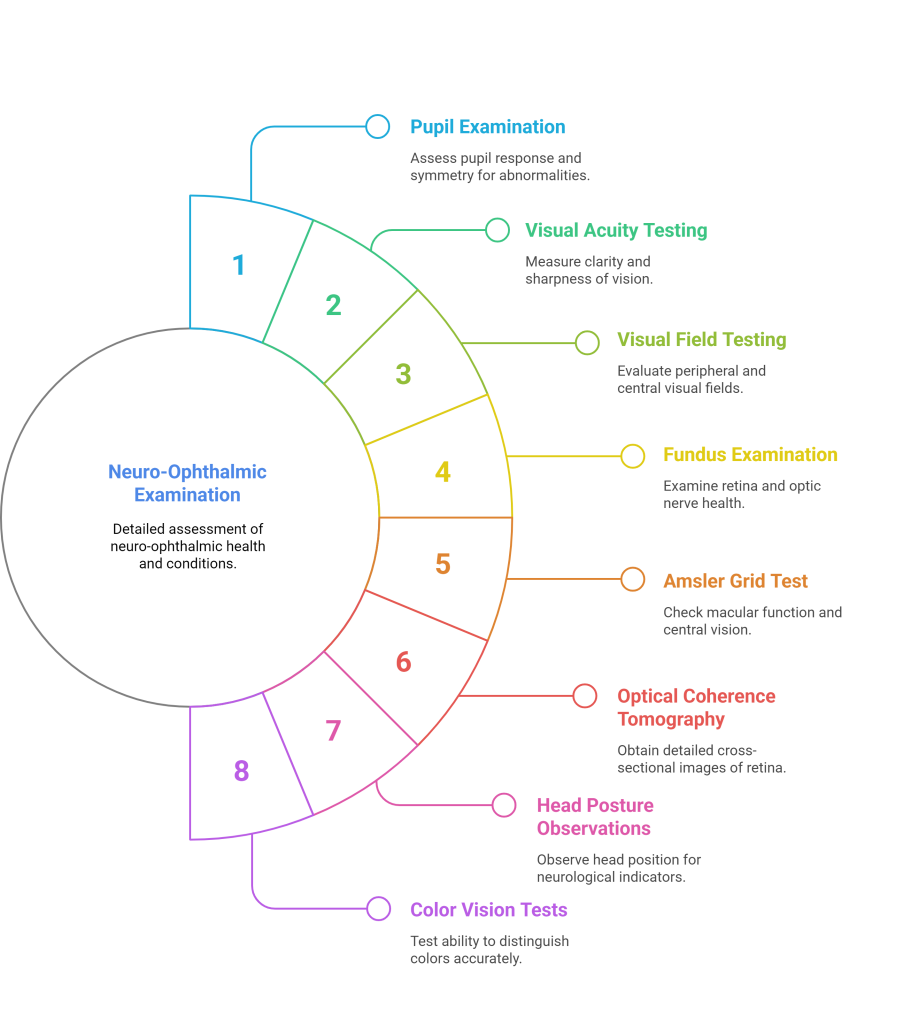
At Kiran Eye Hospital, a thorough examination is essential to diagnose neuro-ophthalmic conditions. Our comprehensive eye exam includes:
Neurological conditions like brain tumors, brain infections, and stroke can affect vision. These conditions can impair the function of the optic nerve or the brain’s ability to process visual information.
Anyone experiencing sudden vision loss, particularly due to neural problems (like optic neuritis or ischemic optic neuropathy), should seek urgent care from a neuro-ophthalmologist. Early diagnosis can help restore vision.
Double vision typically improves within 6-8 weeks, especially if diabetes and hypertension are under control. In some cases, special prism lenses may be prescribed if double vision does not resolve on its own.
Optic neuritis is the inflammation of the optic nerve, often caused by infections or immune-related disorders. It can result in vision impairment and discomfort.
Optic nerve atrophy occurs when the optic nerve is damaged due to reduced blood flow, trauma, or other underlying conditions. This leads to a progressive decline in vision.
We are a leading center for advanced eye care in Birgunj, Nepal. We are dedicated to providing world-class ophthalmic services with cutting-edge technology, compassionate care, and a team of highly experienced specialists.
Sunday – Friday
09 : 00 AM – 05 : 00 PM